Payment Synchronization Features in Mobile Betting Platforms for Football and Horse Racing
Jakob Weber · Aug 25, 2026
Payment Synchronization Features in Mobile Betting Platforms for Football and Horse Racing
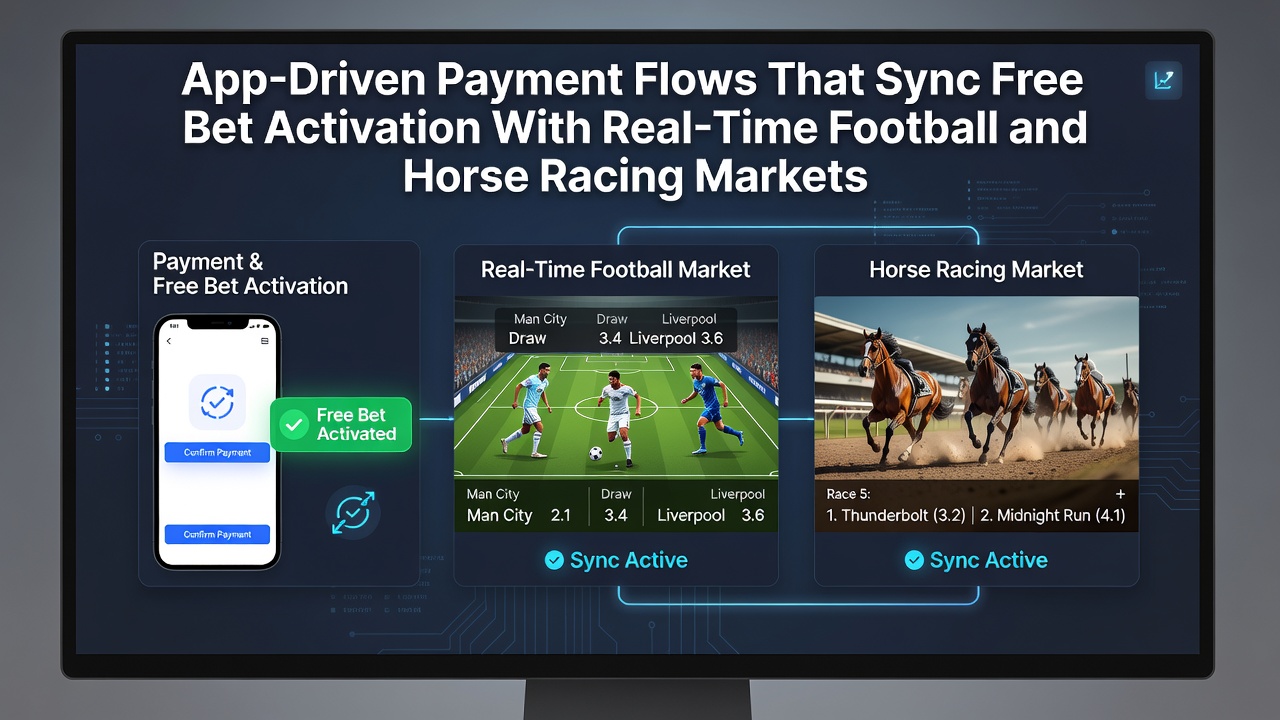
Data from industry reports indicates that app-driven payment flows now connect free bet activation directly to live odds updates in football and horse racing markets, allowing users to trigger promotional credits at the moment market conditions shift. Observers note that this integration relies on backend systems which monitor both account balances and event timelines simultaneously, ensuring activation occurs without separate manual steps.
According to figures compiled by research institutions such as the European Gaming and Betting Association, platforms processed over 40 million such synchronized transactions across European markets during the first half of 2026. These systems pull data from real-time feeds provided by sports data providers, then match eligibility rules for free bets against current odds movements in matches or races.
How Synchronization Operates in Practice
Users deposit funds through integrated gateways that communicate with the operator's risk engine, and once a qualifying deposit posts the system evaluates live market data before releasing a free bet token. In football, this might align with a sudden change in goalscorer odds during a Premier League fixture, while in horse racing the trigger could respond to late market adjustments before a race start at tracks like Ascot or Newmarket.
Engineers at major software providers have documented that API calls between payment processors and betting engines complete in under 800 milliseconds on average, which keeps the activation window aligned with fluctuating prices. Studies from academic groups at institutions including the University of Nevada's International Gaming Institute show that latency below one second correlates with higher completion rates for in-play promotions.
Technical Components Behind the Flows
Three main layers support the process: a payment orchestration module, a market data aggregator, and a rules engine that checks user history against current event states. The payment layer handles deposits via cards, e-wallets or bank transfers, then passes confirmation to the aggregator which streams live football scores and horse racing results. The rules engine applies operator-defined parameters such as minimum stake or event type before issuing the free bet credit.
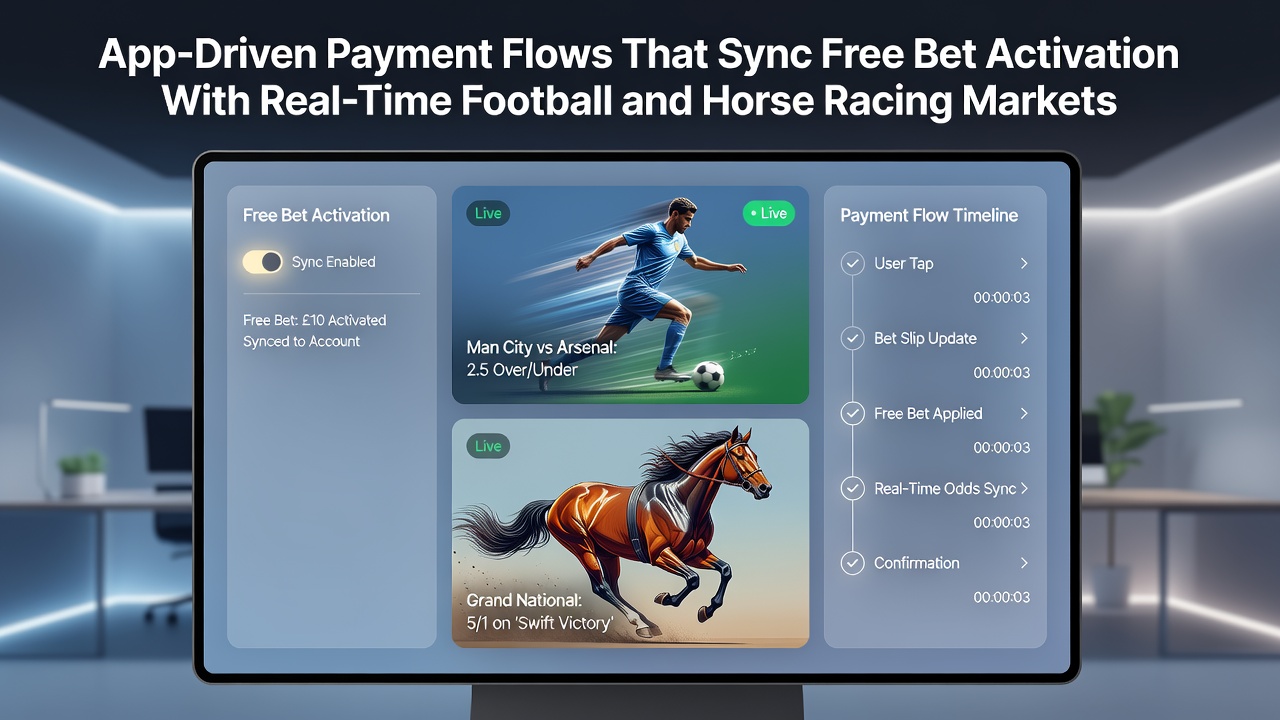
August 2026 saw several operators roll out enhanced versions of these layers ahead of the new football season and major racing festivals. Reports from the Canadian Centre for Gaming Research note similar patterns emerging in North American jurisdictions where regulated apps adopted comparable synchronization to meet local responsible gambling standards.
Market Examples Across Football and Racing
During a live Premier League match, a user depositing after a red card event might receive an instant free bet tied to updated over/under markets because the system detects the timing and releases the credit automatically. In horse racing, the same mechanism activates free bets when a favorite's odds lengthen due to non-runners declared minutes before post time.
Industry data compiled through mid-2026 shows football accounts for roughly 65 percent of synchronized free bet uses, while horse racing represents 28 percent with the remainder spread across other sports. These proportions reflect the volume of in-play markets available rather than user preference alone.
Regulatory and Security Considerations
Frameworks established by bodies such as the Malta Gaming Authority require audit trails for every payment-to-bonus handoff, ensuring traceability from deposit timestamp through market state at activation. Security protocols include tokenization of payment details and real-time fraud scoring that pauses flows if anomalies appear in user behavior or market data.
One study released by the Australian Gambling Research Centre in early 2026 examined synchronization accuracy across 12 operators and found that 97 percent of activations matched the intended market state within regulatory tolerances. The remaining cases triggered manual reviews or automatic reversals when data mismatches occurred.
Future Developments in Payment and Market Integration
Developers continue to refine edge cases such as multi-leg accumulators where free bet activation must align with partial results across separate football fixtures or racing events. Emerging standards from global gaming associations emphasize open APIs that allow smaller operators to adopt the same synchronization without building custom infrastructure from scratch.
Conclusion
Payment flows that link free bet credits to live football and horse racing markets represent a technical evolution now embedded in many regulated platforms. Data from multiple regions shows consistent adoption patterns through 2026, driven by faster processing times and stricter audit requirements. As additional jurisdictions update their rules, these integrated systems are expected to expand while maintaining compliance with existing security and transparency standards.