The Quiet Revolution in How Bettors Handle Transactions for In-Game Soccer and Trackside Action
Jakob Braun · Sep 29, 2026
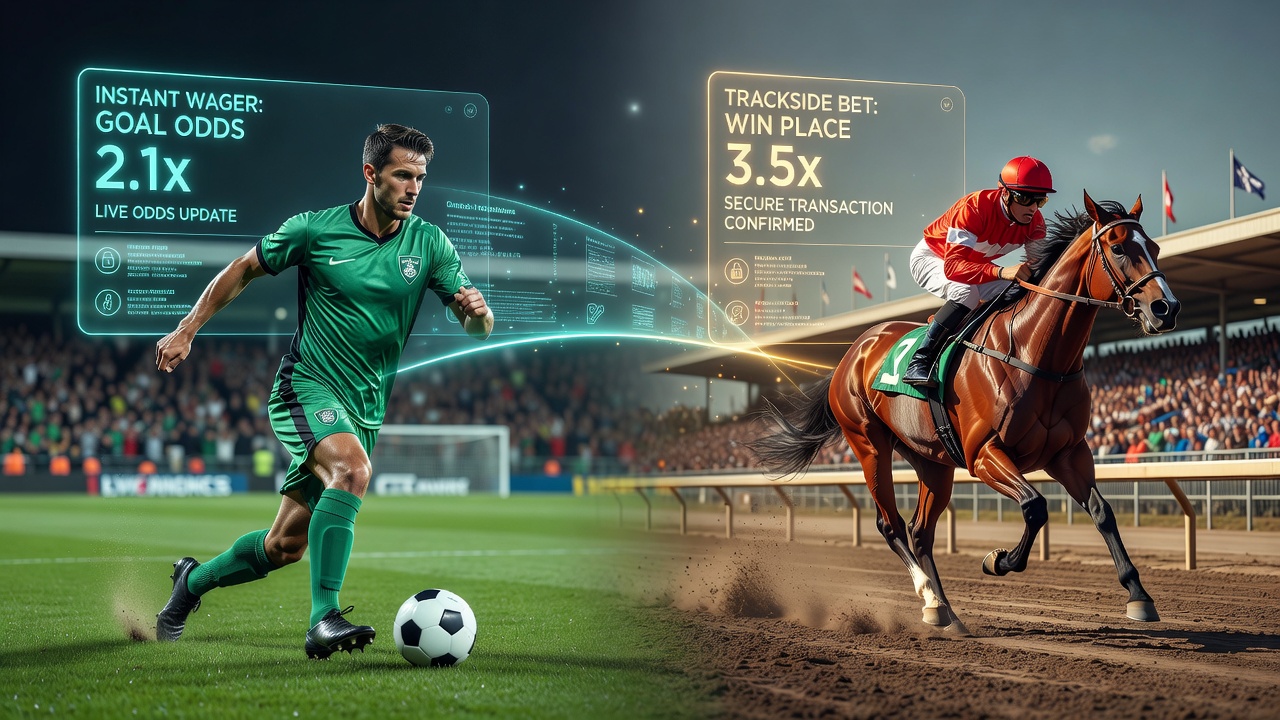
Payment systems for live soccer wagers and trackside horse racing bets have undergone substantial changes in recent years, with data from multiple jurisdictions showing accelerated adoption of certain digital methods. Observers note that these shifts allow participants to complete deposits and withdrawals during ongoing events without leaving the betting interface, and figures from September 2026 indicate continued growth in transaction volumes tied to in-play markets. The evolution centers on speed and integration with mobile platforms. Bettors now rely on e-wallets and instant bank transfers that process in seconds rather than minutes, a development that aligns with the fast pace of soccer matches and races. Research from the European Gaming and Betting Association highlights how these tools reduce friction during critical moments, such as halftime adjustments in football or final furlong decisions at the track.Patterns in Soccer In-Play Transactions
Live soccer betting requires rapid responses to events like goals or red cards, and transaction data reveals that users increasingly select methods supporting one-click funding. Studies from Australian universities have tracked this behavior across major leagues, finding that average deposit times dropped by nearly 40 percent between 2024 and 2026. Those who monitor these markets point out that seamless integration with betting apps encourages higher engagement during extended match periods.
Security protocols have also advanced alongside speed. Multi-factor authentication combined with biometric verification now appears in many platforms, allowing quick confirmation without interrupting the viewing experience. Data indicates that regions with stricter digital payment rules, such as parts of the EU, saw steady uptake of these layered systems during the 2025-2026 season.
Trackside Action and Payment Adaptations
Horse racing presents its own set of timing pressures, with races lasting under two minutes and intervals between events often short. Transaction records show that bettors favor prepaid digital wallets that hold funds separately from main bank accounts, enabling quick top-ups between races. A report from the Responsible Gambling Council in Canada documented similar preferences among users at major tracks, where real-time betting windows close rapidly.
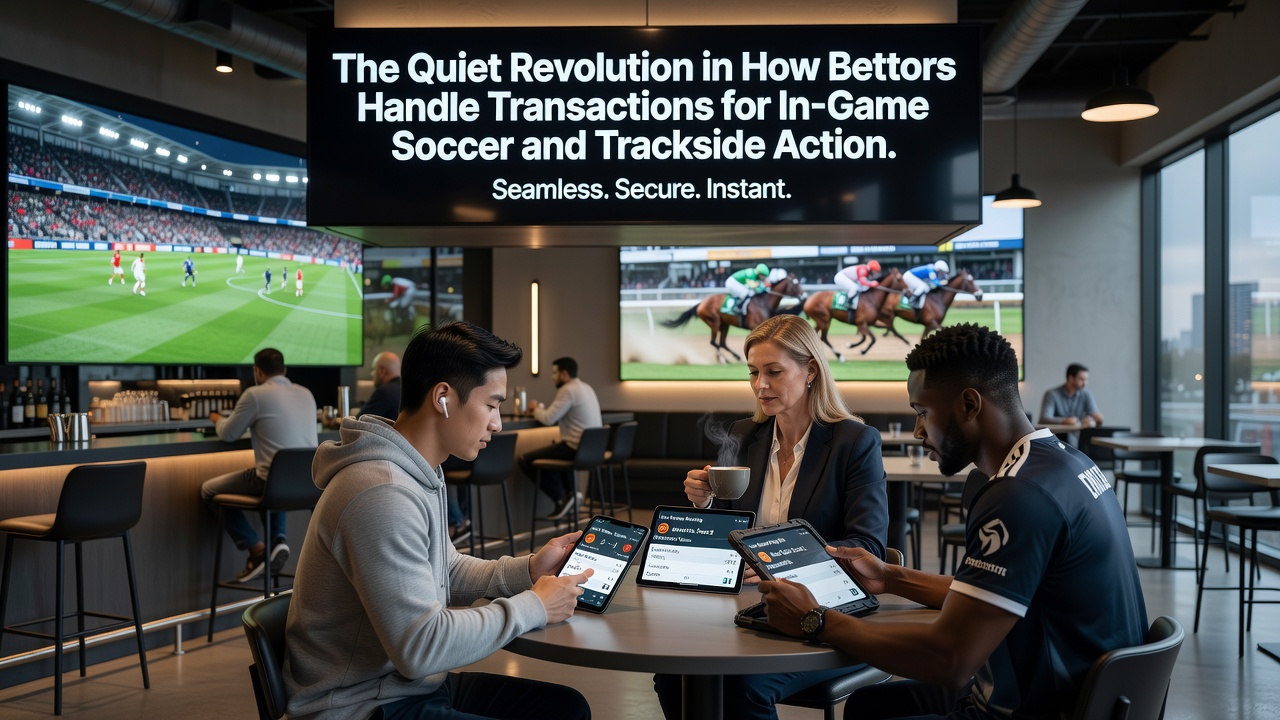
Regulatory frameworks in several countries have influenced these habits. In Australia, for instance, updated guidelines on digital payments encouraged operators to streamline verification processes, resulting in fewer declined transactions during peak race days. Observers tracking September 2026 activity noted that these adjustments coincided with increased participation in exotic bets requiring multiple quick stakes.
Broader Market Indicators
Global transaction volumes for in-play wagering have risen consistently, according to industry aggregates. Payment providers report that soccer and racing together account for a growing share of live betting activity, with mobile-originated transfers dominating. What's interesting is how operators have responded by embedding more payment options directly into live interfaces, reducing the need to navigate away from the main screen.
Regional differences persist yet show convergence. North American markets emphasize integration with established banking apps, while European platforms highlight cryptocurrency options in select areas. Figures reveal that these varied approaches still produce similar outcomes in terms of reduced processing delays.
Conclusion
The changes in transaction handling continue to shape how participants engage with soccer and racing markets. Data from multiple sources confirms that faster, more integrated payment solutions have become standard features rather than exceptions. As technology and regulations evolve further, these patterns are likely to extend into additional live betting categories without altering the core focus on immediacy and reliability.